Local Information
History
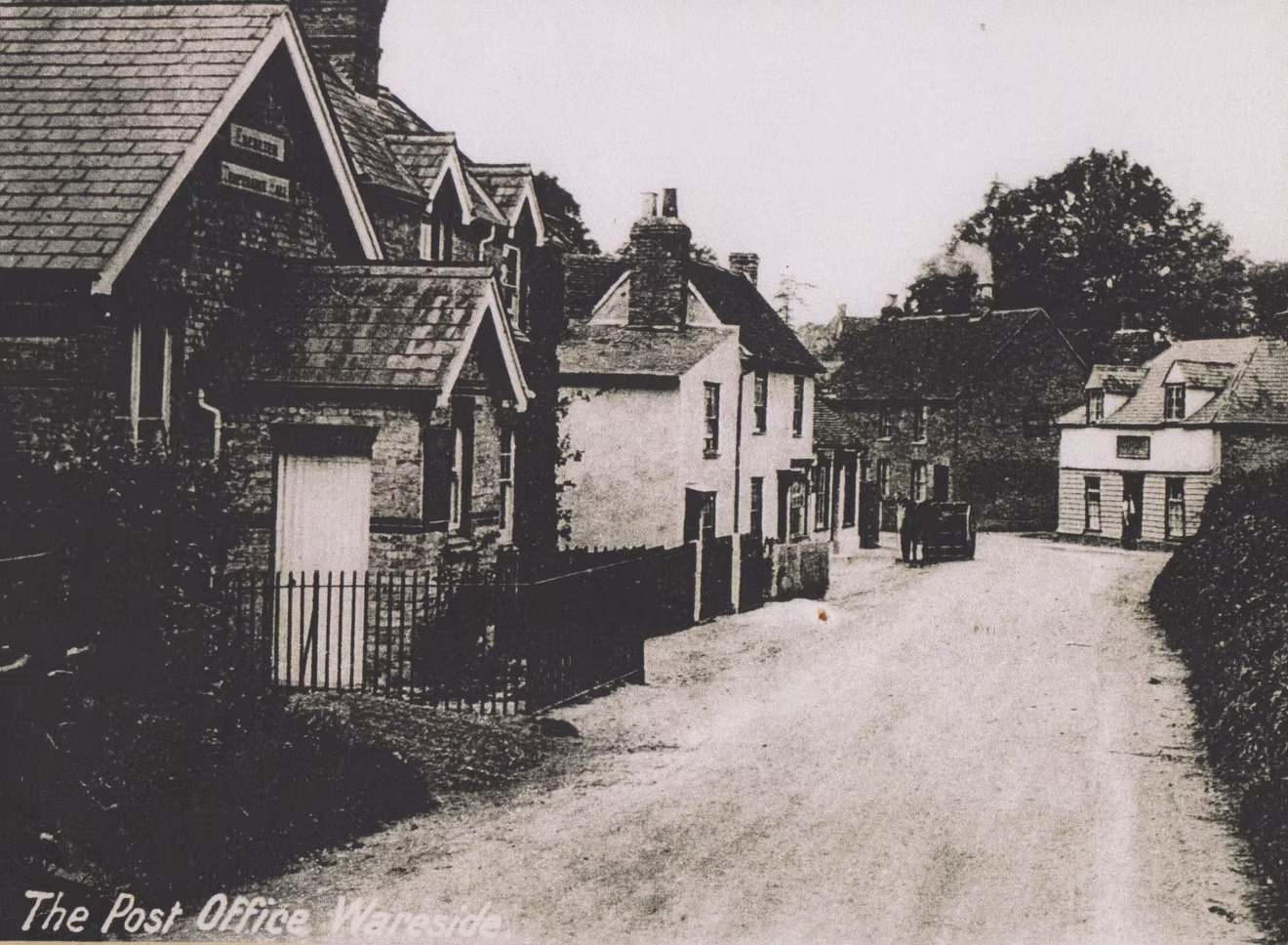
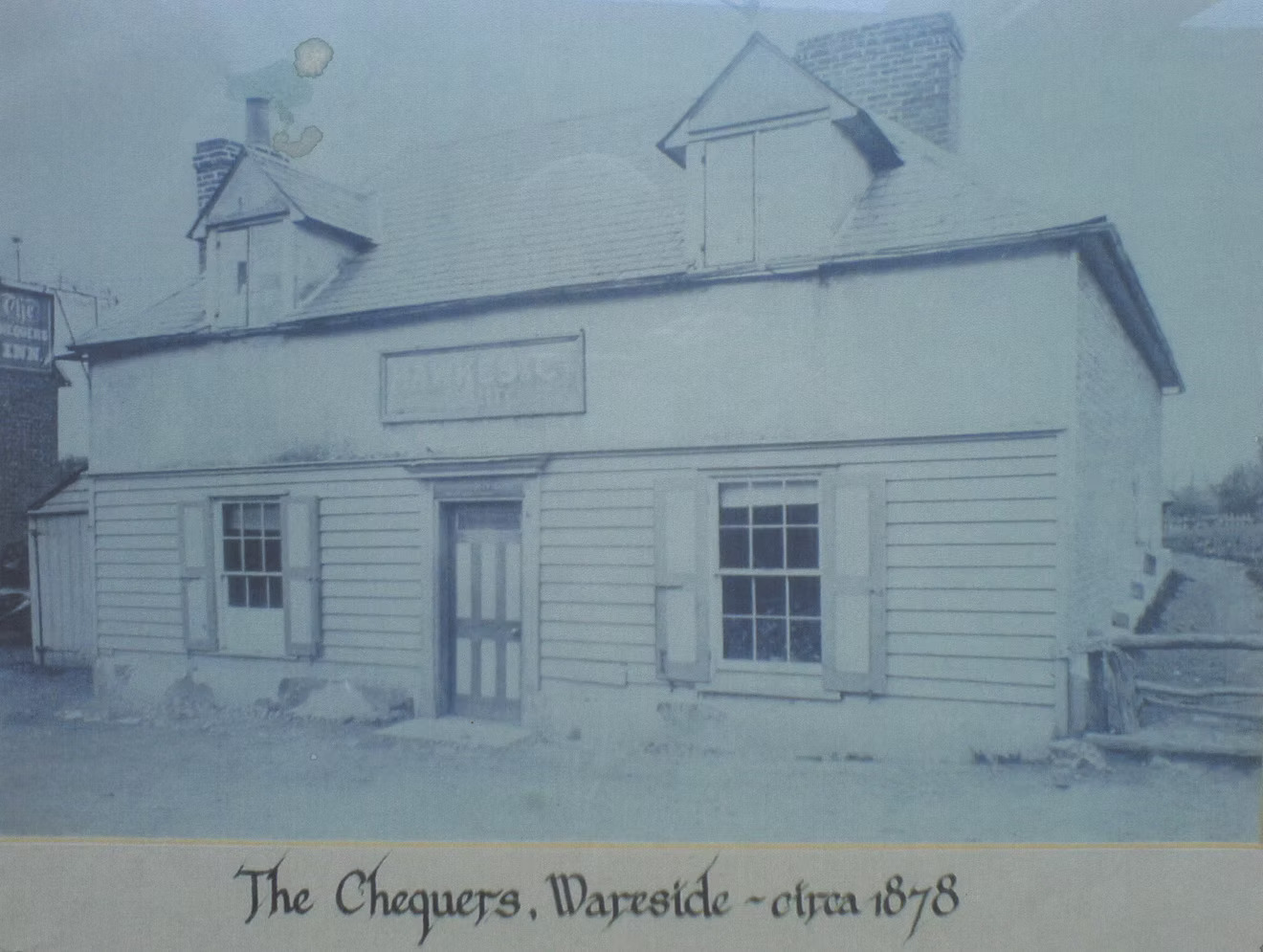
A LITTLE HISTORY
Get To Know Wareside
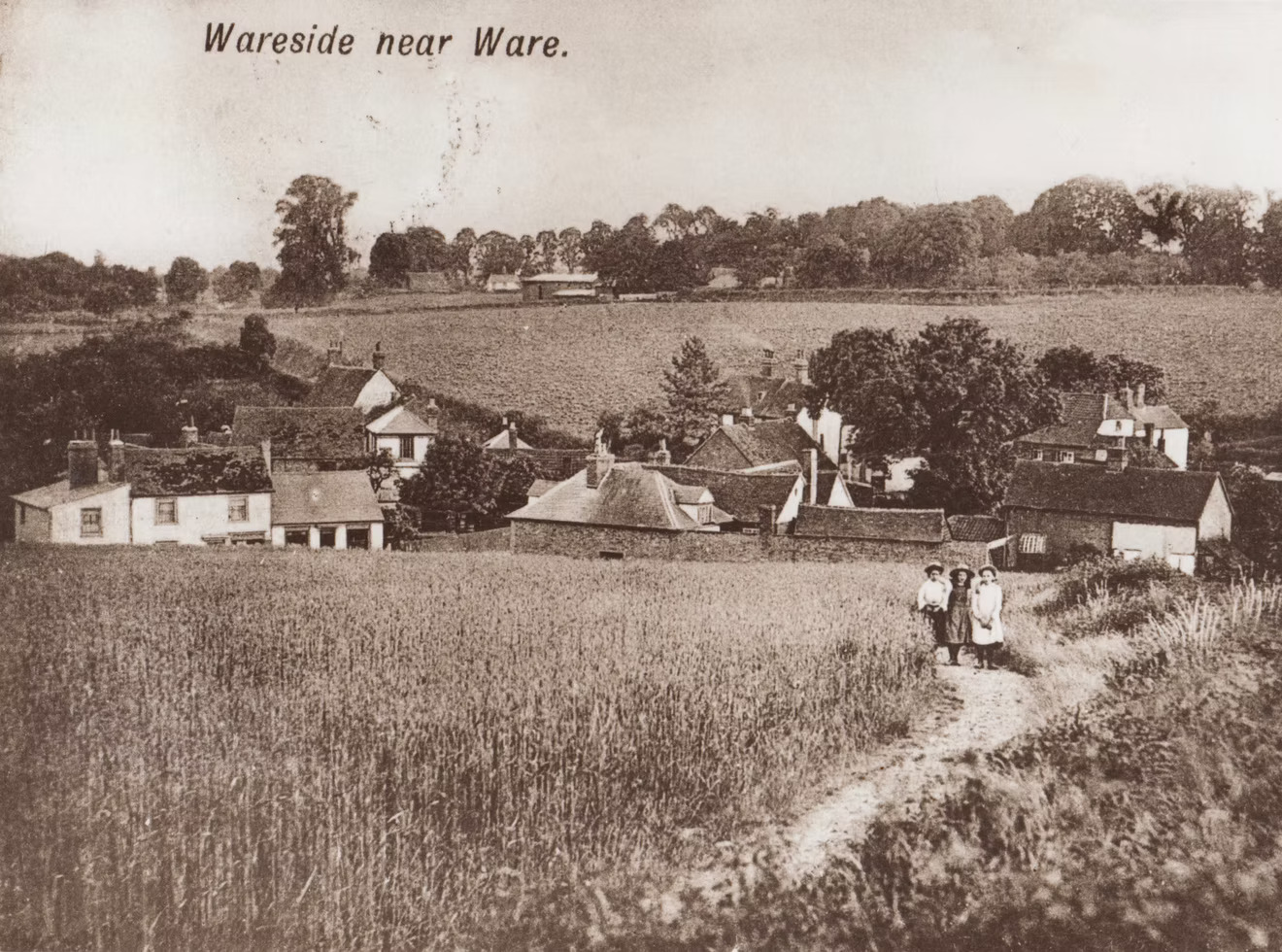
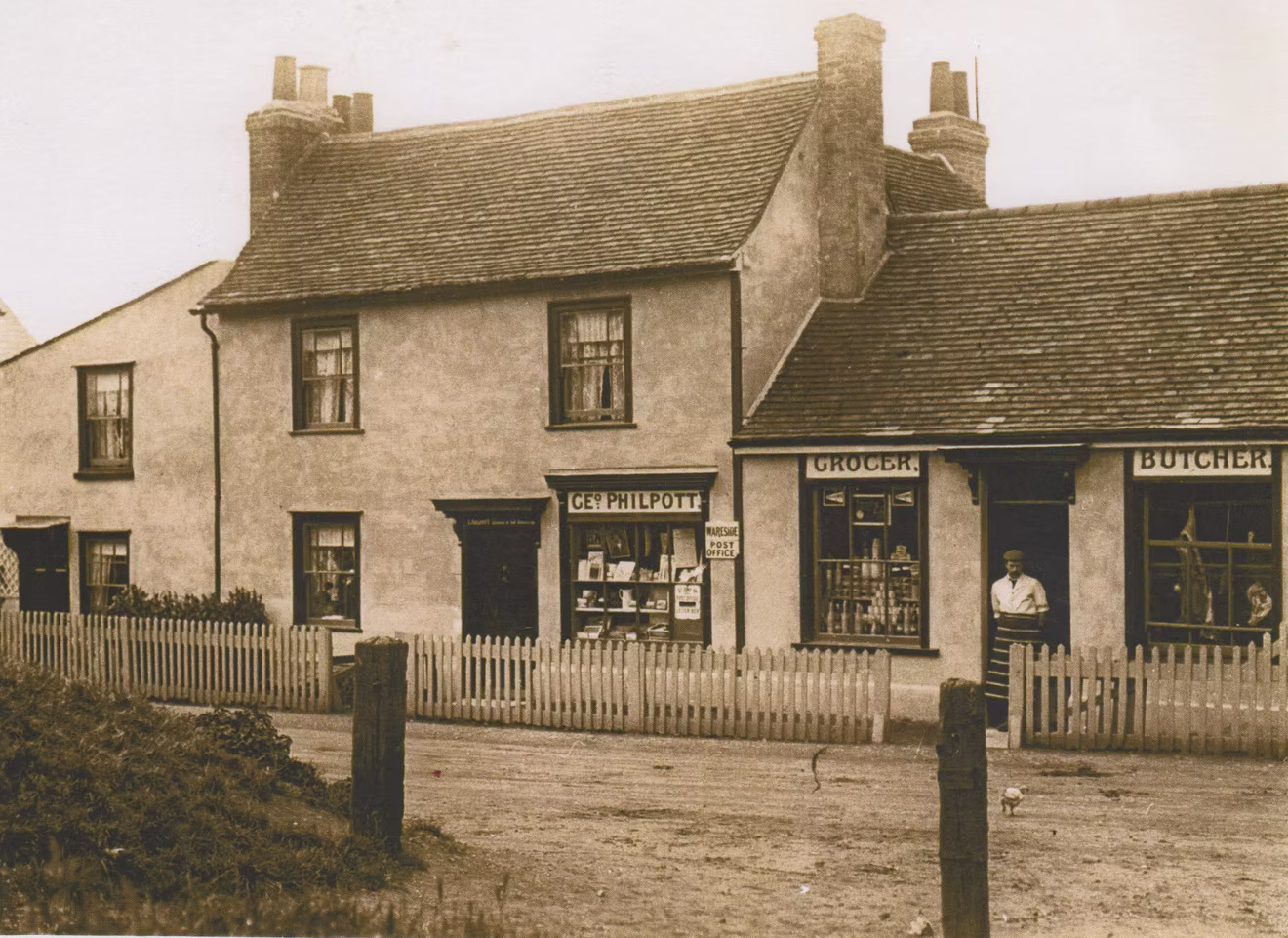
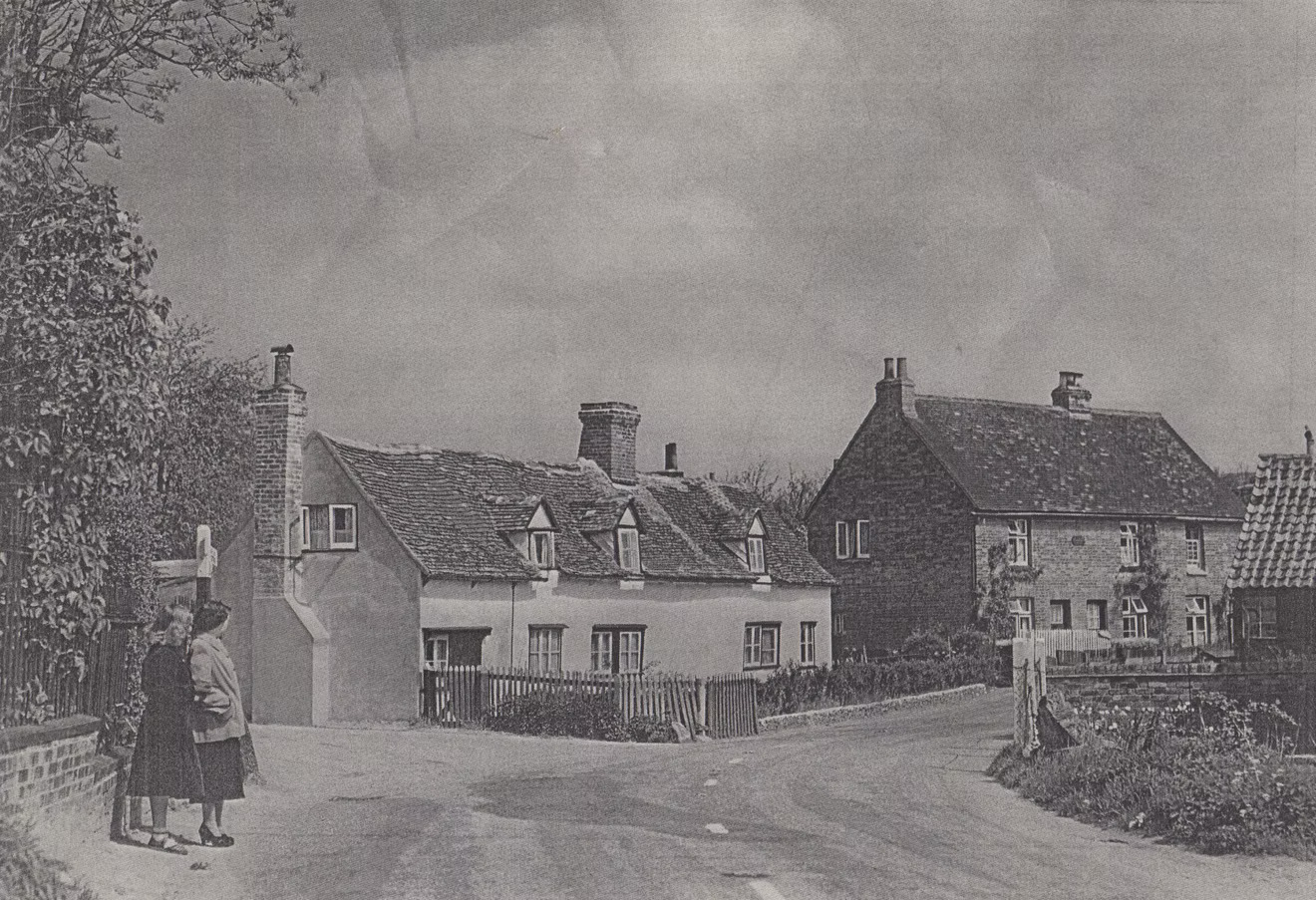
The village of Wareside is nestled in the Ash Valley in East Hertfordshire located just 4 miles from the town of Ware. A small community of some 600 dwellings widely dispersed throughout the parish.
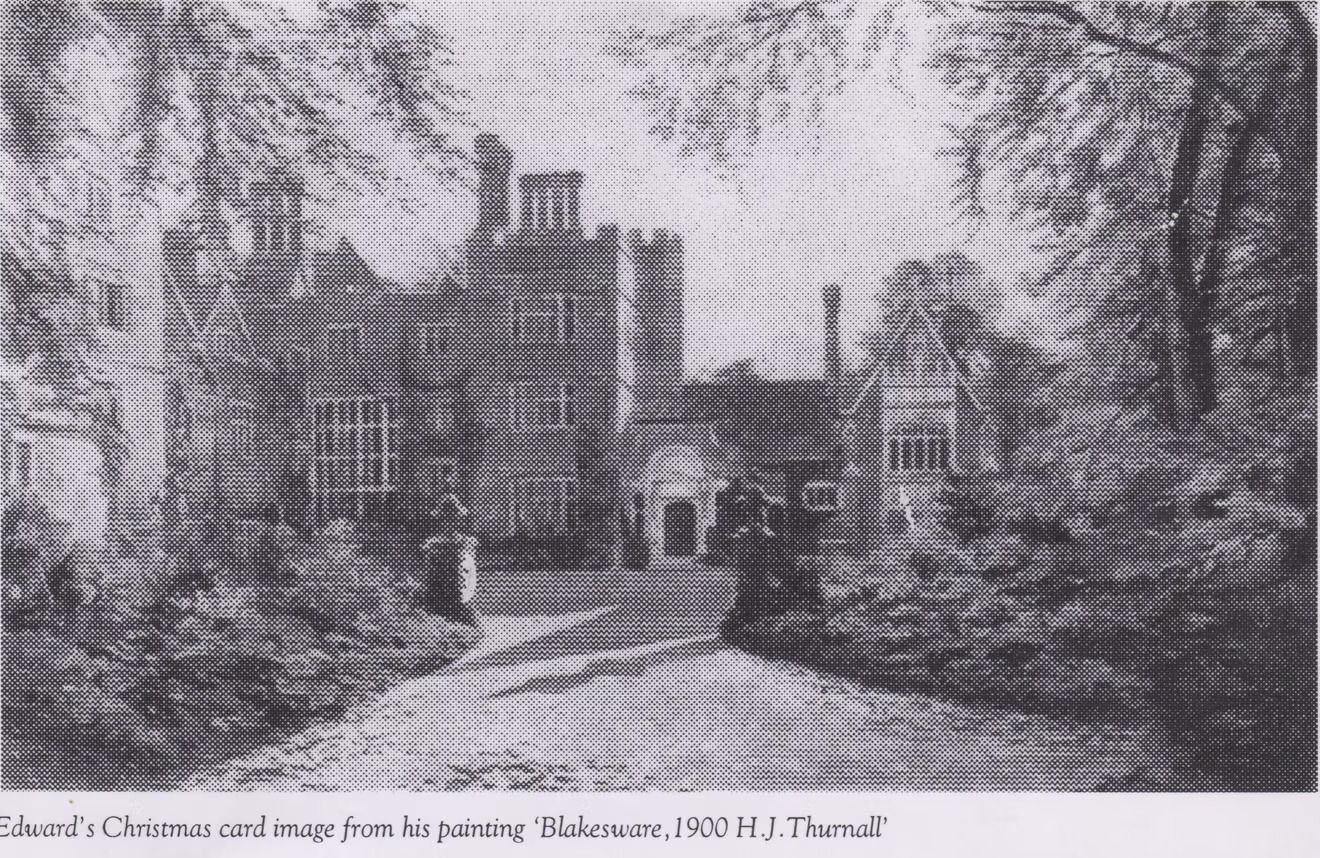
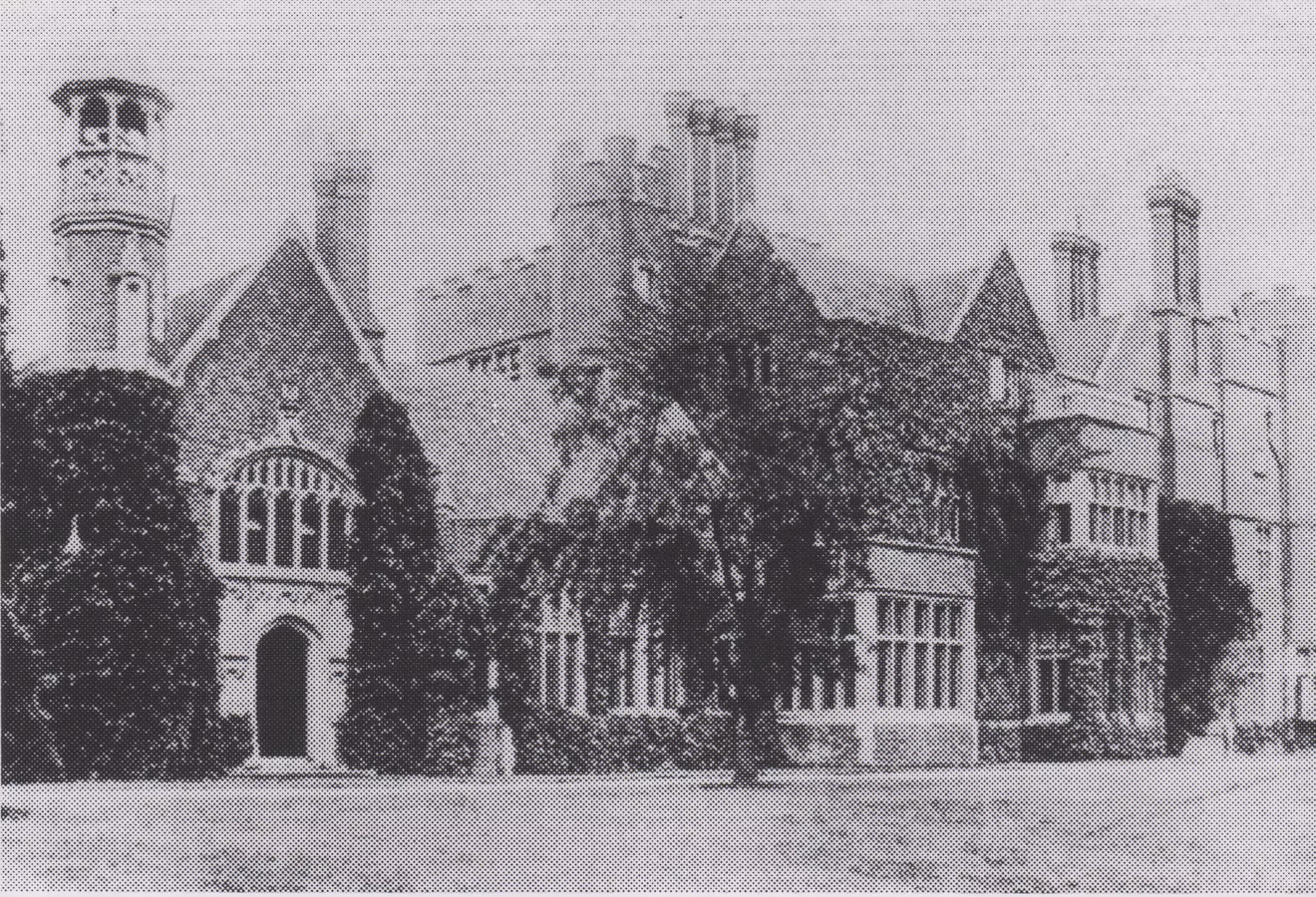
Records of inhabitants go back to the time of William the Conqueror and a number of local place names derive from French nobility rewarded in 1066. Villages established around a number of Manors, organising agricultural production on vast estates. The Ware Rural Parish was an ecclesiastical Parish in Hertfordshire, formed in 1844 from surrounding hamlets in the ancient Parish of Thundridge and the rural communities to the north east of Ware. It became known as the Parish of Wareside in 1991 after the largest settlement in the area.
Wareside is set in countryside which provided important local commodities of grains for the thriving maltings of the Hertfordshire beer brewing industry, and gravel quarried from pits to support the expansion of the road network around the county.
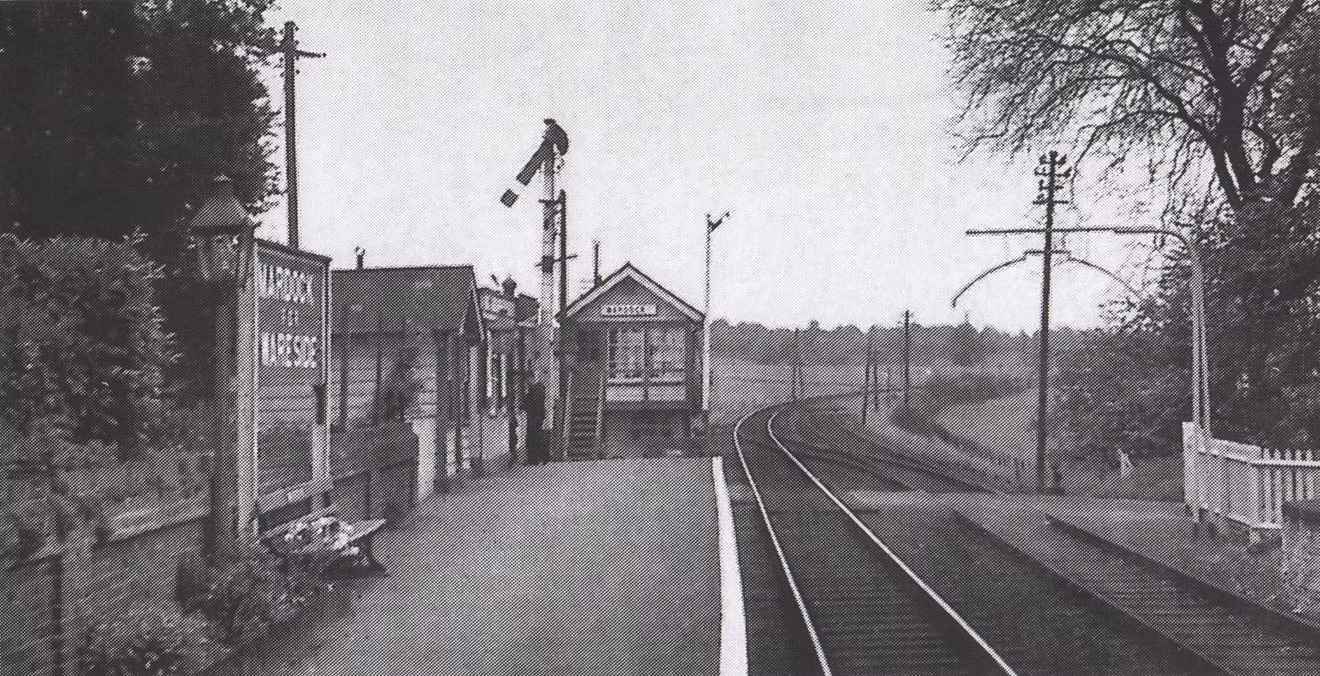
The village was formerly connected to London via St Margarets on the Buntingford Branch Line railway (affectionately known as The Bunt) in the 1860s with its own station called Mardock. The ticket office was relocated to a private garden in the 1960s when the railway closed but the route of the old line is still very much visible and can be followed on foot.
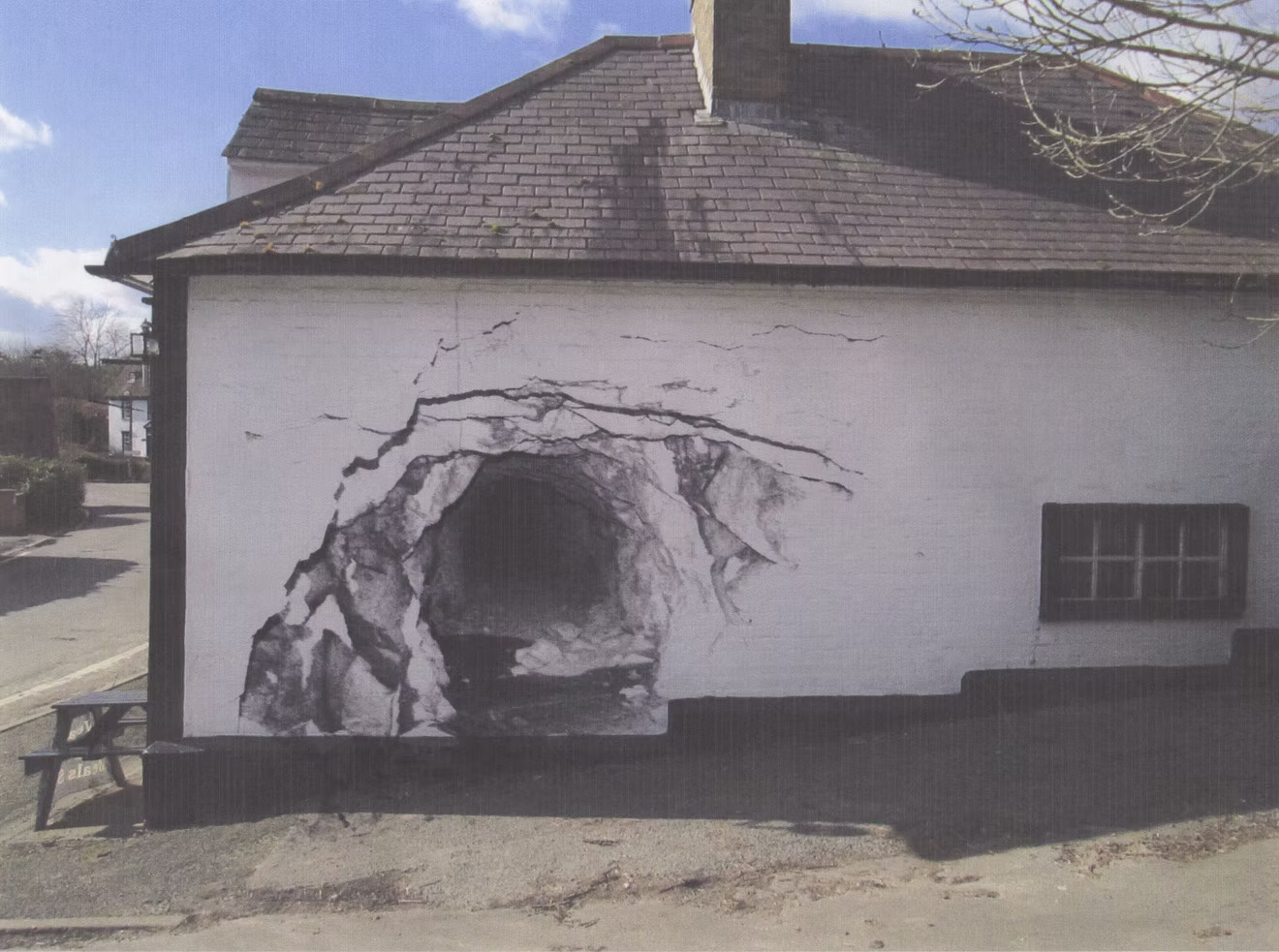
Wareside is famous for its Treacle Mine – the subject of folklore in the village, purported to be where local molasses or black treacle was “found” but more than likely a trick played on the young children of the 19th and 20th centuries.
THE BUNT
the Buntingford railway line
In 1863 the Buntingford railway line, which connected Buntingford with St. Margarets was officially opened. The local station was named ‘Mardock’ and if you walk the old line it is possible to still see traces of the station.
It survived for 100 years serving the rural economy with the transportation of people and goods. It’s demise came with the electrification of the Hertford East line and fell victim to Beeching’s cuts in 1963 and the line closed in 1964.
Now you can walk much of the line through Wareside, although beyond what was Widford station (now the coal yard) it becomes harder to trace on foot. While driving through the village you may also spot the relocated and preserved original Signal Box.
In its heyday various stations along the line were used as locations in British films. You can travel the Bunt, just click on the link below
https://www.youtube.com/watch?v=Aq9geokZneE